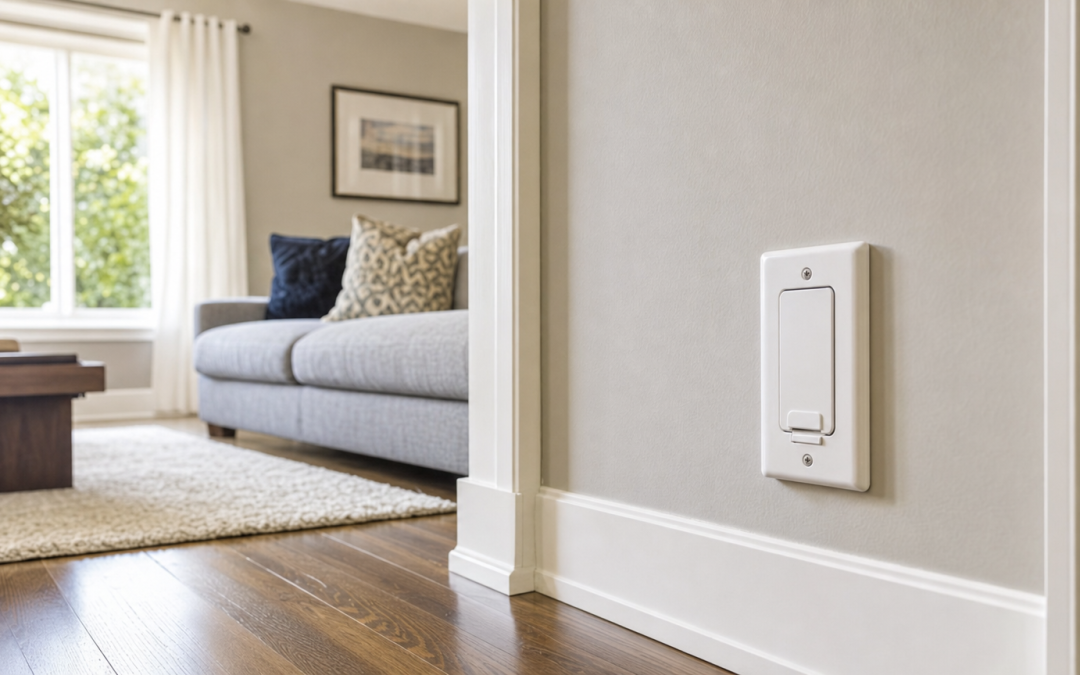
Start With the Right Questions, Not the Right Brand
Before anyone drills into your walls for a central vacuum system, ask a few direct questions: Have they installed systems in homes like yours? Do they service what they install, or just install it and leave? Can you see the equipment before you commit to it? The answers tell you more about the job you'll actually get than any sales pitch.
A company's name on a truck doesn't tell you how they'll route tubing through your attic, or whether they'll be the one answering the phone if a hose stops working two years from now. The questions below get at that — they're the ones worth asking whoever you call, The Vac Stop included, before you sign anything.
Is Your Home New Construction or Already Finished?
This changes the whole job. In new construction, tubing gets run during framing, before drywall goes up — it's straightforward. In an existing home, the installer has to route tubing through walls, attics, or crawl spaces without tearing up rooms you already live in.
Ask exactly how they plan to route the tubing in your house, where the inlets will land, and whether they'll need attic or crawlspace access. A company with real retrofit experience should be able to answer specifically, not in general terms — naming the likely path tubing will take, roughly how many inlets your square footage would call for, and which closets or utility spaces might serve as access points. This kind of specific answer also tells you they've actually walked similar homes before, not just read about the process. If an installer can only speak in generalities about your home's layout, that's worth noticing before you commit.
The Vac Stop handles installation in existing homes, not just new builds, which is the more common job in an established community like The Villages.
Do They Install It and Also Service It?
A central vacuum system isn't a one-and-done purchase. Hoses wear out, power heads need adjustment, and lines can clog over time. Ask whether the company that installs your system is also the one who'll come back if something needs fixing later — or whether you'll be hunting for a different service company down the road.
This matters more than it might seem at first. An installer who never services their own work has less incentive to get the routing and fittings right the first time, since they won't be the one dealing with a problem later. One point of contact for both the install and the ongoing care is worth asking about up front, including how a service call gets handled once the initial installation is finished.
The Vac Stop offers central vacuum installation and service together, so the same company that puts the system in is the one you call if it needs attention.
What Happens After Installation — Do They Offer Tune-Ups?
Suction can weaken over time for reasons that have nothing to do with the motor — a loose hose connection, a partial blockage, a filter that needs attention. A tune-up is generally how an installer checks suction at each inlet, inspects the hose and power head, and clears anything blocking the line.
Ask what's actually included in a tune-up and how often they'd recommend one for a system like yours. A thorough check should cover more than plugging in the hose at one spot — it should look at the connections at each wall inlet, the condition of the filter or bag, and whether the power head's brush roll still turns freely. It's also fair to ask whether a tune-up includes checking for leaks at the PVC fittings in the attic, since a cracked fitting can quietly reduce suction without an obvious cause. If weak suction shows up at just one inlet rather than across the whole system, that usually points to a local blockage or loose fitting rather than a failing motor.
The Vac Stop offers a central vacuum tune-up service for systems already in place, which is worth knowing about even if you're not buying a new system right now.
Can You See the Equipment Before You Buy?
Reading a spec sheet online is one thing. Standing next to the actual power unit, feeling the hose, and seeing how the attachments connect is another. If a company has a physical location, ask if you can stop in and look at units in person before deciding.
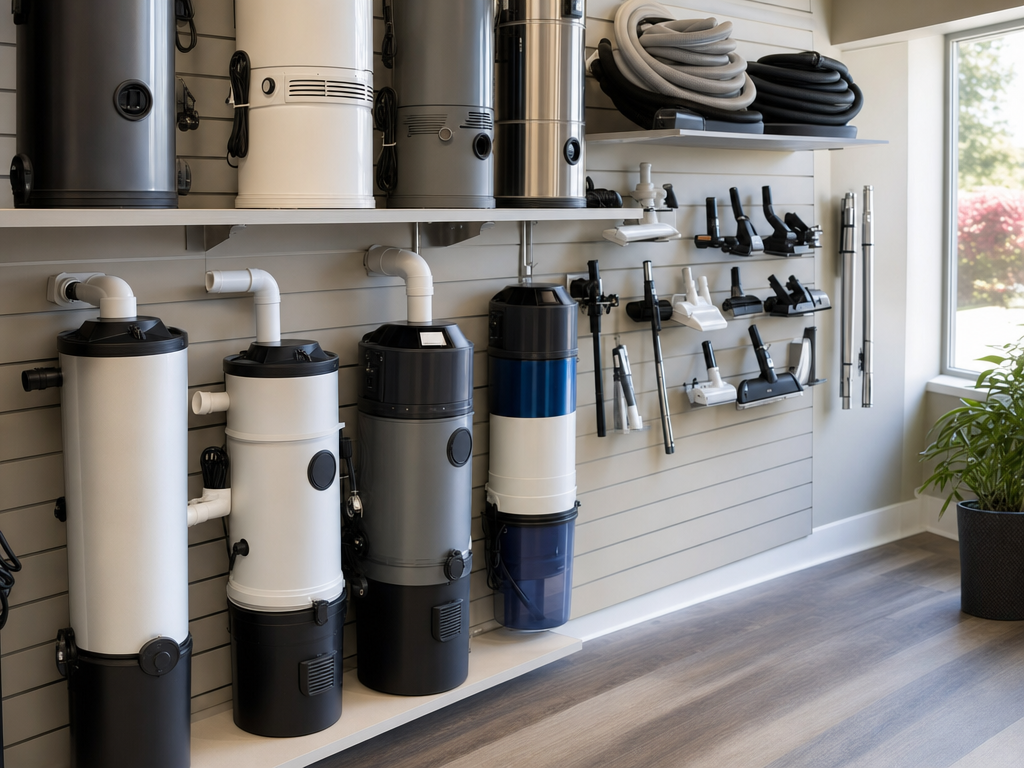
Hose weight and attachment fit vary more than most people expect, and the only real way to judge whether a system will feel right in daily use is to hold the hose and try the attachments yourself. Ask what accessories come standard with the system and which ones are sold separately, so you're comparing like for like.
The Vac Stop has a shop in The Villages where you can see central vacuum equipment and parts directly, rather than choosing based on a photo.
Do They Actually Work in The Villages?
Homes in The Villages tend to share similar layouts, and an installer who's worked in the community before has a better sense of likely routing paths and typical attic or crawlspace access than someone coming in cold. That familiarity can also mean fewer surprises once the work starts, since common attic configurations and typical home layouts in the area are not new to them. Ask directly how much of their work is local, and whether they can speak to the kind of home you live in specifically rather than central vacuum installation in general.
The Vac Stop's Villages central vacuum installation service page covers what that local work looks like in more detail, including what to expect for an installation in this area specifically.
Questions and answers
Can a central vacuum system be added to a house that's already built?
Yes — this is called a retrofit installation, and it's a normal job for an installer with the right experience. The tubing gets routed through attics, crawl spaces, or interior walls rather than during framing, so it takes more planning than a new-construction install, but it doesn't require tearing out finished rooms.
How do I know if I need a tune-up instead of a brand-new system?
If the system still runs but suction feels weaker at some inlets, or a hose or power head isn't working the way it used to, that's usually a service issue rather than a reason to replace the whole system. Ask an installer to look at it before assuming you need a full replacement.
What does central vacuum installation cost in The Villages?
Cost depends on the size of your home, how many inlets you need, and whether it's new construction or a retrofit, so there's no single number that applies to every house. The straightforward way to get an accurate figure is to ask for a walkthrough and a quote based on your specific home.
If you're planning a central vacuum installation in The Villages, stop by The Vac Stop's shop to see the equipment in person or get in touch to talk through how it would work in your home.