Yes — A Central Vacuum Can Go Into a House That's Already Built
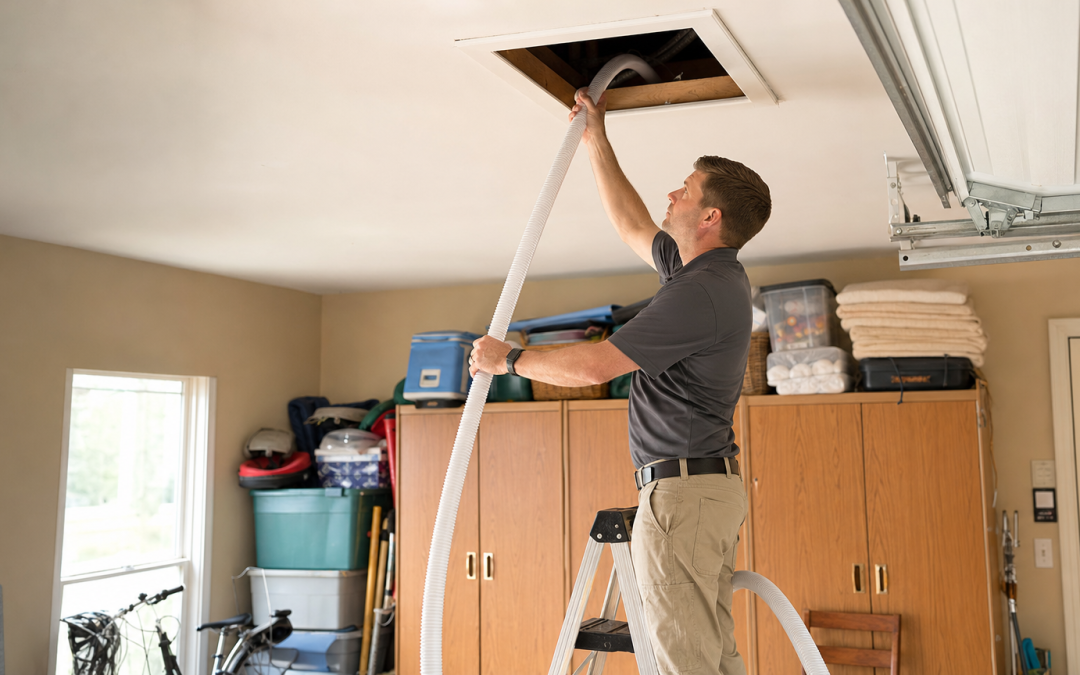
A lot of homeowners assume central vacuum systems only go into new construction, run through the walls before the drywall ever goes up. That's not the case. A retrofit installation routes the tubing through attics, closets, garages, and sometimes crawl spaces, so the system reaches the rooms where it's actually needed without tearing the house apart.
The Vac Stop installs central vacuum systems in existing homes across Central Florida, including The Villages, so a finished house isn't a reason to skip it. If you're renovating, or you've just decided you're tired of hauling an upright from room to room, adding a central system later is a normal request — not an unusual one. People still install them for exactly that reason: more suction, a quieter machine in the room with you, and no bulky canister to store. And when we install one, it comes with a warranty — so a decision like this doesn't rest entirely on hope that nothing goes wrong.
How a Retrofit Installation Actually Works
In an existing home, the installer maps out where the inlet valves will go — usually one per section of the house, placed so a single hose length reaches every room from that point. The tubing itself typically travels through the attic, down through a wall cavity near each inlet, and connects back to a central power unit mounted somewhere out of the way, often a garage or utility space.
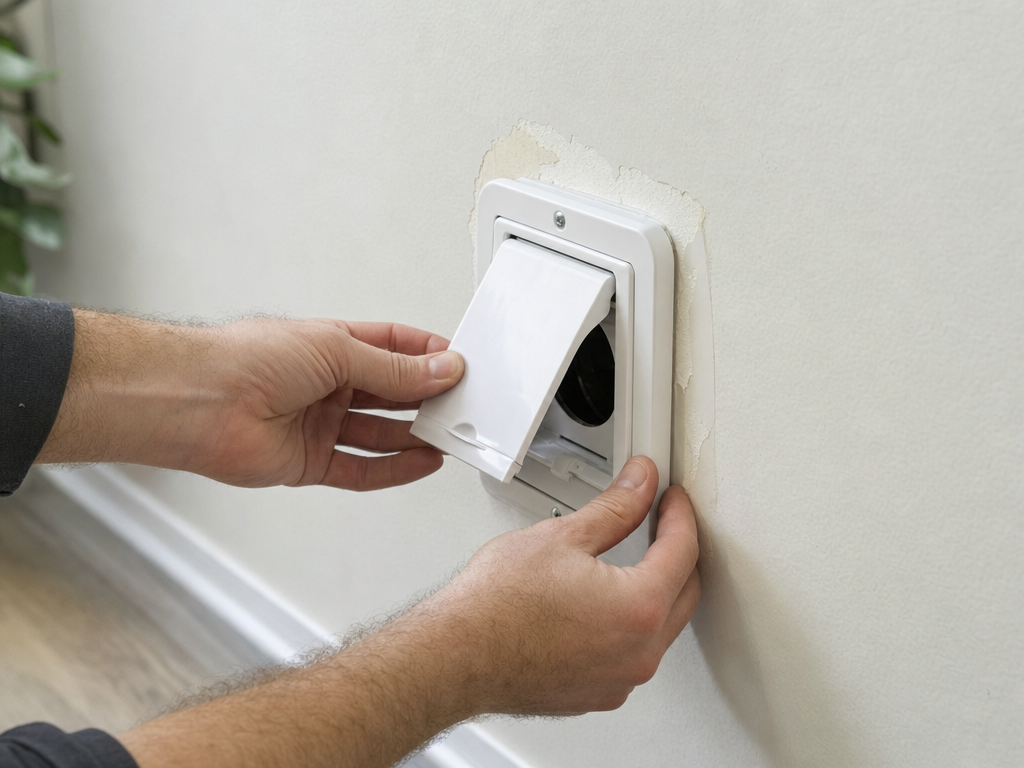
How much of the house gets opened up depends on the layout. A single-story home with attic access over most rooms is usually the simplest case, because the tubing can run above the ceiling line and drop down through a short wall section at each inlet, rather than needing long horizontal runs cut into finished walls. Homes with vaulted ceilings, slab construction, or limited attic access take more planning, but it's still workable — it just changes where the inlets end up and how the tubing gets there.
If you'd like to see what's involved in more detail before deciding, our central vacuum installation page walks through the service itself.
What Determines the Cost of Installing a Central Vacuum in an Existing Home
There's no single price for a retrofit, because the job itself isn't the same from house to house. The main variables are how many inlets you want, how accessible the attic or crawl space is, and whether any finished walls need to be opened and patched to get the tubing where it needs to go.
A straightforward home with good attic access and a modest number of inlets is a simpler job than a larger house with multiple stories or limited access points. Rather than guess at a number that won't hold true for your specific house, the honest answer is that it takes a look at the layout to give you a real figure — which is exactly what a walk-through quote is for.
Why Some Homeowners Assume Central Vacuums Are a Thing of the Past
It's a fair question, and it usually comes from the fact that central vacuum systems are built into the house rather than sitting in a closet where you see them every day. Portable vacuums — upright, canister, cordless — are the ones on store shelves and in every ad, so they're what comes to mind first.
That visibility doesn't mean central systems stopped making sense. The appeal hasn't changed: the motor and dirt canister live away from the living space, so the part you're pushing around is just a lightweight hose and head, and the noise and exhaust stay out of the room you're cleaning. For a lot of homeowners, especially anyone dealing with allergies or just tired of lugging a heavy machine upstairs, that trade-off is still worth it. People do still install them — it's a routine part of the work here, not a relic.
What's Covered After Your Installation
A central vacuum is still a mechanical system, which means it benefits from the same kind of care any appliance does. Here's the part worth knowing upfront: every central vacuum system we install comes with a warranty, as stated on our site. That's not something tacked on after the fact — it's part of what you're getting when the system goes in.
If something needs attention down the road, vacuum repair is our core service, so you're not left trying to find someone else once the system is in. For the full picture of what we handle beyond installation, our vacuum services page covers it.
Central Vacuum Installation Across The Villages and Central Florida
We install central vacuum systems in existing homes throughout Central Florida, serving The Villages and the surrounding area. If you've got a finished home and you're trying to figure out whether a central system is realistic for your layout, that's a conversation worth having before you rule it out — plenty of homes that look tricky at first turn out to be straightforward once someone's actually seen the attic and the floor plan.
Questions and answers
Can you add a central vacuum after a house is built?
Yes. The tubing is routed through the attic, garage, and wall cavities after the fact, rather than being built in during construction. It's a standard retrofit, not a special-order job.
How much does it cost to install a central vacuum system in an existing home?
It depends on the number of inlets, how accessible the attic or crawl space is, and whether any finished walls need to be opened. A walk-through of the home is the only reliable way to get an accurate figure.
Do people still install central vacuums?
Yes. It's a routine request for homeowners who want a quieter, more powerful system and don't want to haul a portable vacuum from room to room.
Does a new central vacuum installation come with a warranty?
Yes. Central vacuum systems installed by The Vac Stop come with a warranty, as stated on our site, so the installation itself is covered, not just the equipment on the shelf.
If you're wondering whether your home can take a central vacuum system, contact The Vac Stop for a walk-through and a real quote for your layout — your installation comes with a warranty.