The Two Questions That Matter Most
Before you hire anyone to put in a central vacuum system, two questions decide almost everything else: is your home new construction or already built, and will the company that installs the system still be around if it needs attention later? Get honest answers to those, and the rest of the decision gets a lot simpler.
The Vac Stop installs central vacuum systems in both situations — new homes being built and homes that are already standing — and also provides installation and ongoing service rather than handing off the system and disappearing. That combination is worth asking about with any installer you're considering, because it affects how the job is planned and what happens if something needs fixing down the road.
Is Your Home New Construction or Already Built?
This is the single biggest factor in how a central vac job is priced, planned, and executed. In new construction, the installer can run tubing through open wall cavities before the drywall goes up, which means a cleaner layout and no patching afterward.
In a home that's already built, the tubing has to be routed through attics, closets, garages, or basements, working around framing, insulation, and finished walls. It's a different kind of job, and it takes a different kind of planning — which is why installing a system in a home that's already built is worth looking at on its own if that's your situation.
Ask any installer, point-blank, how they plan to route tubing through your specific home. A vague answer here is a red flag. A good installer should be able to describe, at least roughly, where the power unit will sit, how the tubing will get from room to room, and how many wall inlets your home will need.
Will the Same Company Service the System Later?
A central vacuum system is mostly maintenance-free, but it's not maintenance-proof. Over time, a hose can wear out, a line can clog, or a motor can need attention. The question to ask before you sign anything is whether the company installing your system also handles repairs and service afterward, or whether they install and move on.
That matters most years down the line rather than on install day — The Vac Stop handles both ends of the job for that reason. If a company can only install, find out upfront who you'd call if something needs fixing later. It's a reasonable question, and a reputable installer won't mind answering it.
What to Ask About the Installation Itself
Once you've settled the new-build-versus-retrofit question, there are a handful of practical details worth pinning down before work starts:
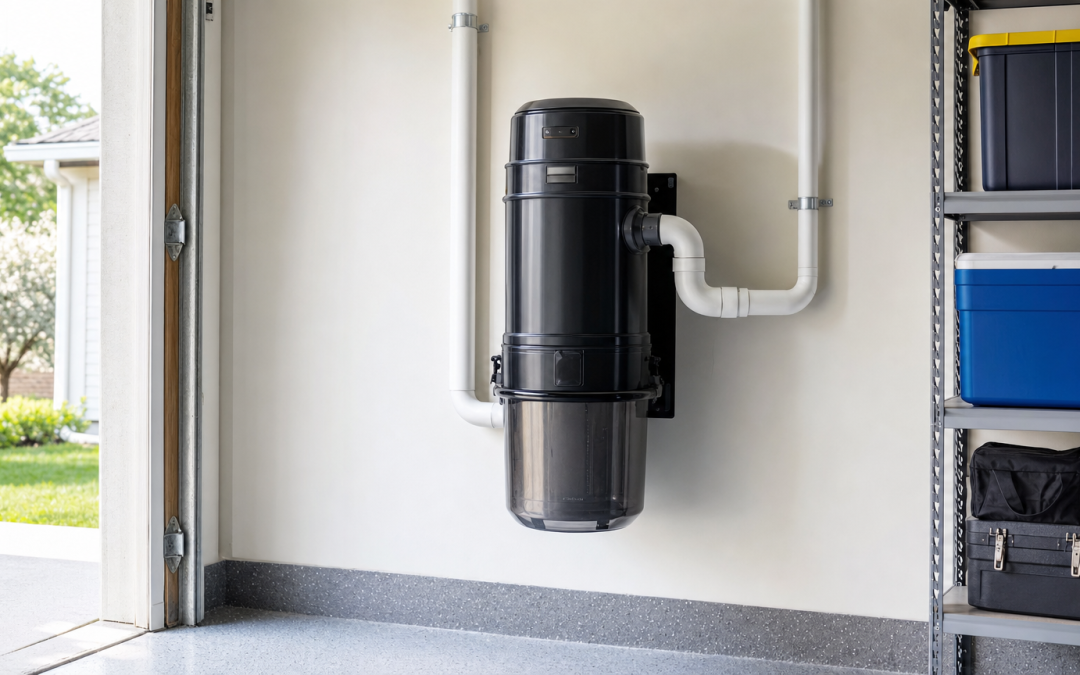
Where will the power unit go? It needs to be somewhere accessible for occasional maintenance, usually a garage, basement, or utility space, and placement affects how much noise you'll hear inside the house.
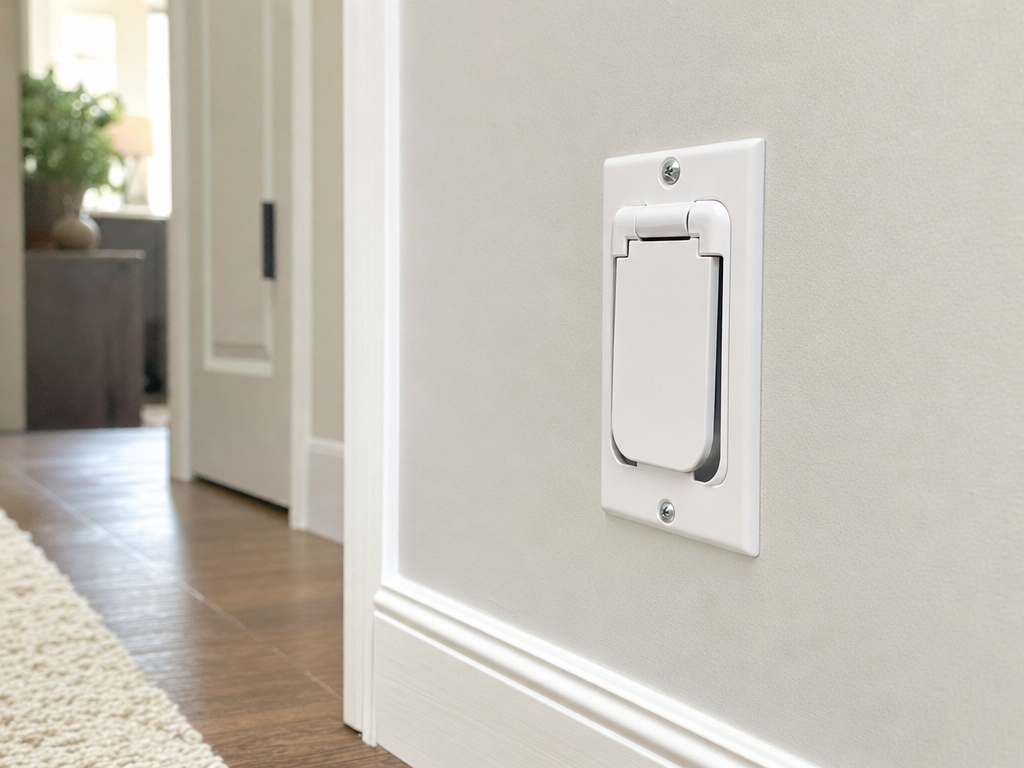
How many inlets will the home have, and where? More inlets mean shorter hose runs and less dragging a hose from room to room, but each one is a point where tubing has to reach. As a general rule in central vacuum design, inlets are spaced so a hose can reach every corner of the surrounding rooms without being stretched through doorways or around furniture. That's not a number specific to any one installer — it's just how the systems are laid out — but it's a useful gut-check when you're looking at a proposed inlet plan. If a room feels like it's at the far edge of that reach, it's worth asking whether another inlet makes sense.
If it's an existing home, how will walls be patched after the tubing is run? This is a fair question to ask directly — a retrofit job involves cutting into walls, and you should know what the finish work looks like before the job starts, not after.
How is the tubing laid out through the house? In a retrofit, the path often follows attics or crawl spaces rather than a straight line, so it's worth understanding the route before work begins rather than being surprised by it.
What Affects the Cost of a Central Vac Installation
Central vacuum pricing isn't one-size-fits-all, and a lot of what drives the cost has nothing to do with the vacuum unit itself. The size of the home matters — more square footage generally means more tubing and more inlets to cover it. The number of inlets matters too, since each one is its own branch of tubing and its own wall plate to install.
New construction and retrofit jobs cost differently for the reason already covered: running tubing through open walls before drywall goes up is simpler than fishing it through finished walls, attics, or crawl spaces. A two-story home, or a layout where the tubing has to travel between floors rather than across one level, can add time compared with a single-story job with a straightforward path.
None of this means you need to guess at what you'll pay. A good installer should be able to walk your home, point out roughly where the inlets would go, and explain what's driving the estimate — new build or retrofit, home size, inlet count — before you commit to anything.
Does the Installer Actually Work in Your Area?
Central vacuum installation is hands-on work — someone needs to be in your home, running tubing, mounting the power unit, and placing inlets. That means local experience matters more than it might for a product you'd just order online.
The Vac Stop installs central vacuum systems for homes in Orlando and the Central Florida area, including Villages-area homes. If you're in one of those areas, it's worth looking at the Orlando installation page for more on what that looks like locally, or reaching out directly if you're not sure whether your home is in range.
Questions and answers
Can a central vacuum be installed in a house that's already built?
Yes. It's a different process than installing in new construction — tubing has to be routed through existing spaces like attics, closets, or garages rather than open wall cavities — but it's a routine type of job for an installer who handles retrofits regularly.
Do I need to ask about service before I even install the system?
It's worth asking. Central vacuum systems need little maintenance, but when something does need attention, it's simpler if the company that installed the system also handles repairs, rather than having to find someone new who's unfamiliar with how your system was set up.
What's the first thing to tell an installer when getting a quote?
Whether your home is new construction or already built. That one detail changes how the job is planned, so it's the first thing an installer needs to know to give you useful answers about layout, inlet placement, and the power unit location.
What determines how much a central vacuum installation costs?
A few things: the size of the home, how many inlets it needs, and whether it's new construction or an existing home. Retrofit work generally takes more planning than new construction because the tubing has to be routed through finished walls and attics rather than open framing. An installer should be able to explain what's driving your estimate before you commit.
How many inlets will my home need?
It depends on the size and layout of the home, but a common approach in central vacuum design is to space inlets so a hose reaches every part of the surrounding rooms without being dragged through doorways. A larger home, or one with more than one floor, will generally need more inlets to keep every room within easy reach.
If you're weighing a central vacuum installation for your home, reach out to The Vac Stop to talk through whether your home is new construction or a retrofit situation, and what that means for layout, inlets, and service afterward.